
March 8, International Women’s Day, arrives in 2026 at a time when Iran and much of the Middle East are experiencing one of the most critical political and military periods of recent decades. War, widespread repression, economic crisis, and the destruction caused by military conflict have affected the lives of millions of people. In this context, women once again stand at the forefront of both suffering and resistance.
In recent months, major developments have taken place in Iran and across the region. The nationwide protests of January 2026 were met with a bloody crackdown by the Islamic Republic, and according to reports, tens of thousands of people lost their lives during these protests. This extensive repression demonstrated that the ruling establishment continues to rely on organized violence, a powerful security apparatus, and religious and patriarchal laws to suppress any demand for freedom and equality.
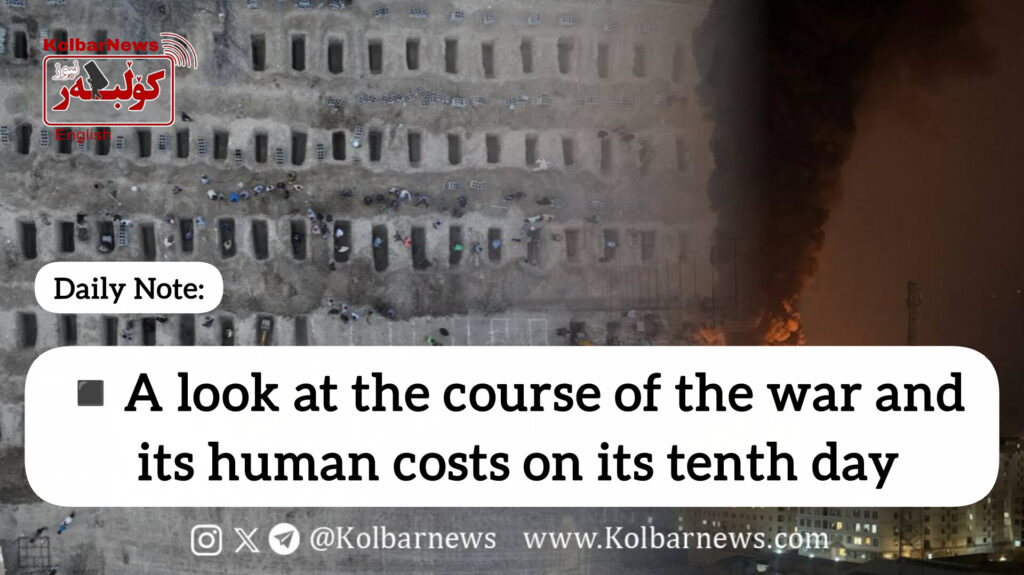
At the same time, the Middle East has become engulfed in a broader war. The twelve-day war between Iran and Israel last year was only part of a process that has now escalated into direct confrontation between the Islamic Republic and the United States, Israel, and most Arab countries in the region. Over the past week, various cities in Iran and Israel have been targeted by missile attacks, aerial bombardments, and fighter jet strikes. This war has not only destroyed urban and economic infrastructure but has also displaced thousands of families and intensified the humanitarian crisis in the region.
Historical experience has shown that wars affect women and children more than any other groups. In wartime conditions, gender-based violence, poverty, homelessness, and insecurity increase, and many of the social and legal achievements of women face serious threats. At the same time, authoritarian governments often use wartime conditions to intensify internal repression, restrict freedoms, and silence dissenting voices.
In Iran, women continue to face a range of structural forms of oppression, oppressions rooted in the intersection of capitalism, authoritarian governance, and patriarchal religious laws. The laws of the Islamic Republic place women in subordinate positions in various areas, including marriage, divorce, child custody, travel, inheritance, and political participation. These laws, combined with patriarchal cultural norms and unequal economic structures, impose serious limitations on women in many social and economic spheres.
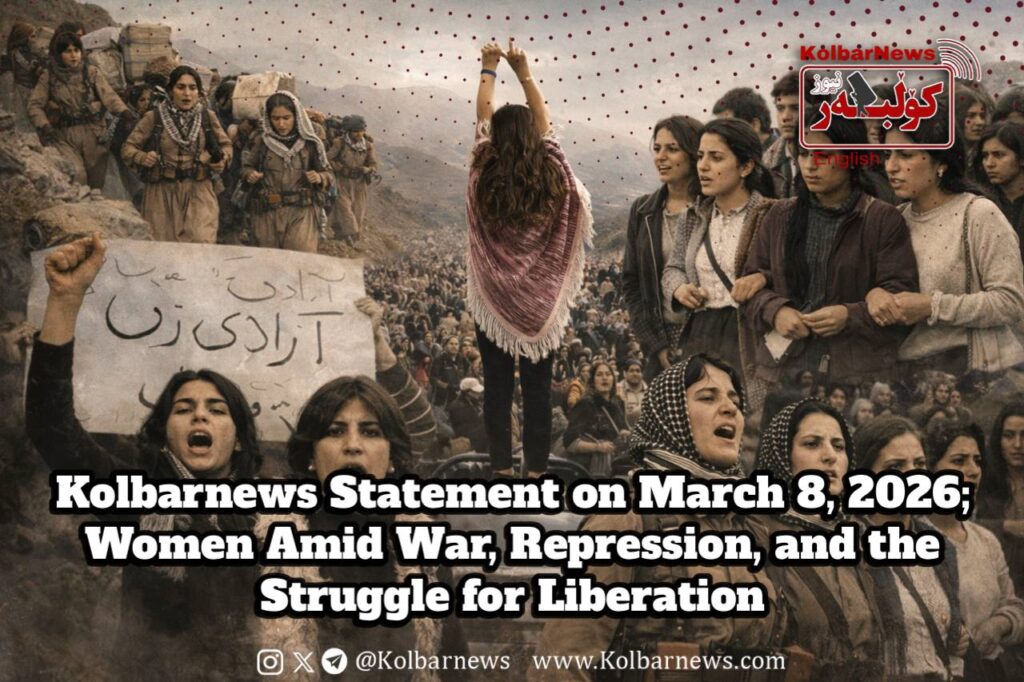
At the same time, the experience of the Jina revolutionary uprising showed that women in Iran are not merely victims of these structures, but one of the most important forces for social change. During the uprising, women played a decisive role on the streets, in social networks, in organizing protests, and in building networks of resistance demonstrating that the struggle for freedom and equality cannot succeed without the active participation of women.
This struggle has particularly complex dimensions in Kurdistan and Baluchistan. Kurdish and Baluch women face not only gender-based oppression but also national and class oppression. The militarized security structure governing these regions, structural poverty, deprivation of social services, and political repression have created conditions in which the lives of women are marked by multiple hardships. Nevertheless, in recent years Kurdish and Baluch women have played a prominent role in protests and social movements.
Alongside these groups, members of the LGBTQ+ community in Iran also face severe repression. The laws of the Islamic Republic not only refuse to recognize diverse gender identities and sexual orientations but also impose harsh punishments, including imprisonment, flogging, and even execution. Under such circumstances, LGBTQ+ women face multiple and intersecting forms of discrimination and violence.
March 8, 2026 reminds us that the struggle for women’s freedom and equality cannot be separated from the struggle against war, authoritarianism, capitalism, and patriarchal religious structures. Women’s liberation will only become possible when these oppressive systems are challenged simultaneously.
Kolbar News believes that solidarity among women’s movements, labor movements, national movements, and other freedom-seeking and equality-oriented struggles can create the conditions for fundamental social change. Only through such broad solidarity can people stand against war, repression, and inequality, and pave the path toward freedom and equality.
March 8 is not only a day to commemorate the historical struggles of women, but also a day to emphasize the necessity of continuing this struggle in a world that more than ever needs the voices of women who stand for freedom, equality, and peace.
Kolbarnews Board of Directors
March 8, 2026