
Mohammadamin Shamsi, Amir Amraei, and Kamyar Amraei, three young men from Dareh Shahr in Ilam Province who reside in Karaj and were arrested during the protests of January 2026, have been collectively sentenced to 9 years and 3 months of discretionary imprisonment.
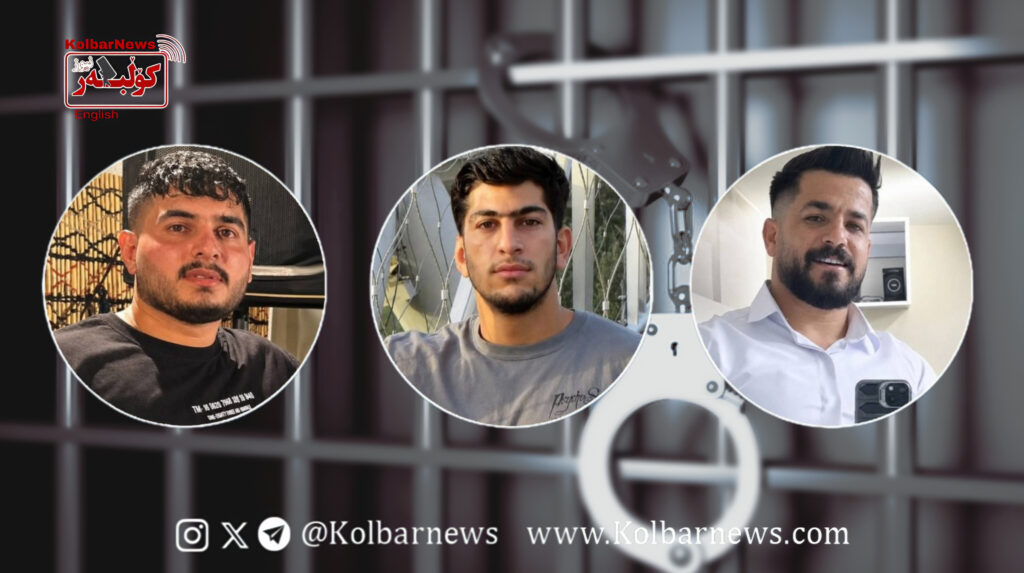
According to Kolbarnews, Mohammadamin Shamsi, 29, Amir Amraei, 23, and Kamyar Amraei, 22, three young men originally from Dareh Shahr County in Ilam Province and residing in Karaj, were arrested by security forces during the January 2026 protests. In recent days, each of them was sentenced by the judiciary of the Islamic Republic to 3 years and 1 month of discretionary imprisonment.
These three citizens were arrested on January 9, 2026, during a wave of detentions related to nationwide protests, without the presentation of a judicial warrant. After being transferred to security detention centers, they were subjected to interrogation.
Despite the passage of 143 days since their arrest, they remain detained in Qezel Hesar Prison in Karaj.
According to received information, no details have been published regarding the court branch that issued the verdicts or the judicial proceedings of the case. However, considering the length of the sentences, it is believed that the convictions may be related to the charge of “assembly and collusion against national security,” an accusation that is widely used in cases involving protesters.
Informed sources have also reported pressure and violent treatment against the three prisoners during their detention. According to these reports, Mohammadamin Shamsi, Amir Amraei, and Kamyar Amraei were beaten by prison officials on various occasions and were also held for ten days in solitary confinement at an undisclosed location while undergoing interrogation. As a result, concerns regarding their physical and psychological well-being have increased.
Meanwhile, Mohammadamin Shamsi has appealed the issued verdict, and his case has been referred to one of the appellate court branches for reconsideration.
Throughout all stages of their detention and interrogation, these three political prisoners were deprived of access to a lawyer of their choosing, in-person visits, and regular contact with their family members.